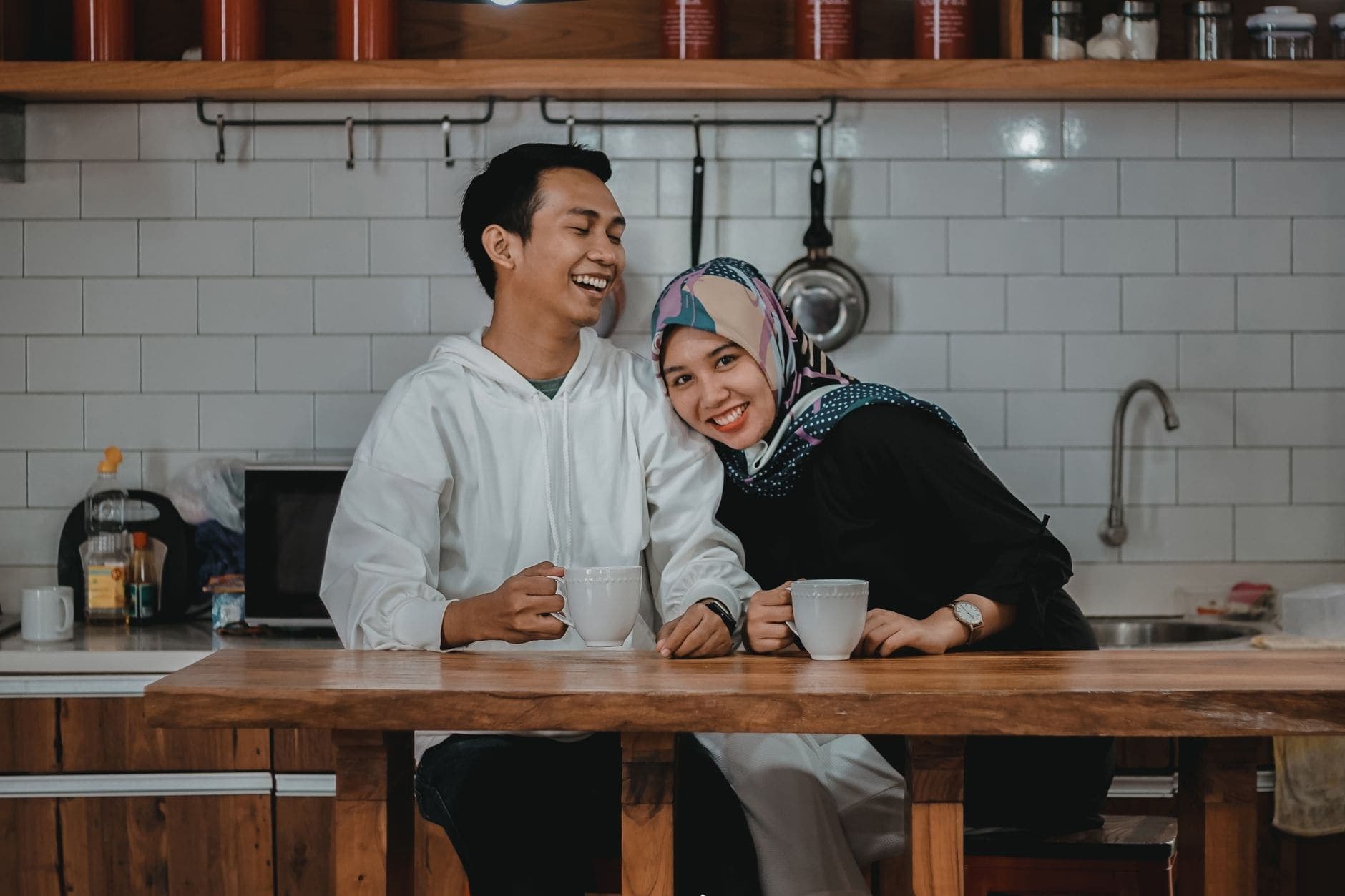
First-date nerves in Singapore: being recognised

If your first-date nerves in Singapore centre on being recognised, you can choose a public setting that suits you and keep any explanation brief. You can protect personal details without arranging a hidden meeting or expecting a café to guarantee privacy.
You are looking forward to the conversation, but you keep imagining someone you know walking past the table. You wonder whether they would ask how you met, expect an introduction or mention the encounter later. The imagined interruption has become more vivid than the coffee you actually want to have.
Nadia and Aaron are fictional adults arranging a first meeting in Singapore. Nadia likes their conversation and wants to meet in public. What troubles her is the possibility of running into an acquaintance near the place they have suggested. She can make choices about the area and what she wants to say without requiring certainty about who will be there.
Name the part of the meeting that worries you
Begin with the particular situation you are imagining. Is it a brief greeting across the room? Someone stopping to ask a personal question? An acquaintance expecting to join the table? Those are different concerns, and you may want a different response to each.
Nadia realises that being seen is not the whole difficulty. She is mostly concerned about having to explain the connection before she has decided what it means herself. She does not mind acknowledging someone she knows. She would prefer not to discuss how she met Aaron or make an introduction that suggests more than they have agreed.
That distinction gives her a preference she can express. She might say to Aaron, ‘If we happen to see someone I know, I would like to keep the greeting brief and our conversation private.’ She is telling him how she would like to handle a possible interruption, without asking him to play a role or remember an invented explanation.
You can also identify what you do not want to change. Nadia still wants a public café and her own way to arrive and leave. She does not need to abandon those choices simply because an imagined acquaintance has entered the picture. A concern can be heard without determining the entire plan.
The privacy guide considers what you share through profiles and conversations. Here, focus on the specific public encounter that is occupying your attention, and which part of your response you would like to choose for yourself.
Choose a public setting you can feel comfortable in
You can suggest another public area if the original one does not suit you. Make the preference clear enough for the other person to consider, without claiming that a different café will ensure you are not recognised. The choice can be about your comfort with the setting and your own journey.
For example, Nadia might prefer to meet in a different public area from the one where she regularly spends time. She can ask, ‘Would you be happy to choose a café in another area? I would feel more comfortable with that for a first meeting.’ Aaron can say which alternatives suit him, and they can agree on an actual place.
Consider the whole arrangement. Can you each reach it independently? Is it a public setting you actually want to sit in? Would the conversation be easier at another table? An unfamiliar or concealed place does not become a better choice merely because you think an acquaintance is less likely to visit it.
Do not build the invitation around avoiding every possible encounter. You cannot know everyone who might pass through a public place. You can still select a setting you prefer and decide what you would say if someone stopped to greet you.
The guide to planning safer first meetings keeps practical arrangements in view. Choose a public meeting with care, including a plan you are free to change or decline. The wish for personal privacy does not require a private location.
You can keep an explanation brief
A familiar face does not need a detailed account of your afternoon. You can greet the person warmly, acknowledge their question and decide how much of your own information to share. You also do not need to explain the other person's life or intentions on their behalf.
Imagine these possible interruptions at Nadia's table:
‘Good to see you. How do you know each other?’
‘It is good to see you too. We are having a coffee, and I am keeping the details to myself for now.’
Or the acquaintance might ask whether they can join:
‘We would like to continue our conversation together, but it was nice to say hello.’
These replies are examples, not lines you need to memorise. Nadia can use words that sound natural to her. She does not need to apologise for declining company or offer a story about work to make the meeting easier to explain.
You may prefer an even shorter greeting if no question has been asked. Do not assume that recognising someone requires you to volunteer how you met your date. A simple hello can remain a hello. The acquaintance may be on their own way and have no expectation of a longer conversation.
If the person continues asking, you can repeat the preference without adding private detail to justify it. ‘I would rather not go into that’ is available. The guide to expectations and boundaries explores expressing your wishes directly; the same clarity can apply to an interruption.
Avoid making the new person at the table responsible for hiding you. A brief conversation before the meeting can clarify how you each prefer to handle introductions. It should leave both adults able to speak for themselves, without requiring a rehearsed account of the relationship.
Bring your attention back to the person at the table
If an acquaintance does stop by, there is still a conversation to return to afterwards. You can acknowledge the interruption with your date and ask to pick up the subject you were discussing. The encounter does not have to become the main topic for the rest of the coffee.
Suppose Aaron had been explaining why he enjoys finding a different route on a familiar walk. After the greeting, Nadia could say, ‘You were telling me about trying a different route. What do you notice along the way?’ That question returns to something he was actually saying. She does not need to create a new subject to prove the interruption has not affected her.
She can also mention the experience simply: ‘That was the situation I was wondering about before we met. I am glad to get back to our conversation.’ Aaron may have something he wants to say about it too. There can be room for that response without reviewing every word the acquaintance used.
If you need a moment before continuing, you can ask for one. The introvert conversation guide considers making room to find your words. Taking a pause does not require a lengthy explanation or a conclusion about how the entire meeting is going.
When no interruption occurs, you can still notice the actual person at the table. What did their last answer make you curious about? What would you like to share yourself? The first-date conversation guide begins with those details, without asking you to perform an uninterrupted flow of talk.
Decide afterwards what felt right for you
After the meeting, distinguish what happened from the encounter you imagined in advance. You may have greeted someone briefly and continued your coffee. You may not have recognised anyone at all. You can consider the actual experience without treating either result as a guarantee about another day.
Ask which choices suited you. Did you prefer the public area you selected? Could you keep an explanation as brief as you wanted? Did the person you were meeting respect your wish about personal details? Those observations concern the plan and the exchange you actually experienced.
You may decide you would prefer a different public setting next time. That does not require choosing somewhere hidden or presenting the previous café as a mistake. You can say which part you want to change and hear what would work for the other person.
If you do not want another meeting, you can make that choice too. You do not have to continue in order to prove that the concern about being recognised was manageable. Your interest in the person and your preferences about dating both belong in the decision.
Nadia can leave the coffee with a clearer sense of what she wanted: a public meeting, a brief greeting if needed and room to hear Aaron's story. She did not have to explain a connection she was still exploring. The possibility of meeting someone she knows need not decide the whole date for her.
Frequently asked questions
Can I suggest a different public area for the first meeting?
You can explain that another public area would feel more comfortable and ask which alternatives suit the other person. Consider your own journey and the actual setting before confirming. A change of area can be a preference without being a promise that nobody will recognise you.
Do I owe an acquaintance an explanation of my date?
You can choose how much of your own information to share. A warm greeting does not require an account of how you met or what the connection means. Keep the other person’s private details out of the explanation, and speak for your own preferences.
What if I recognise someone at the café?
You can greet the person briefly and return to your conversation. If they ask a personal question or want to join, say what you prefer in words that sound natural to you. There is no need to prepare an invented story to explain the meeting.
How can I return my attention to the conversation?
You can ask to return to the detail you were discussing before an interruption, or say that you would like a moment to gather your thoughts. Use something from the actual conversation rather than searching for a perfect new topic. The other person can contribute to finding the thread again.
Does feeling uneasy mean that I should meet somewhere private?
You can keep a public setting and reconsider the area, table or arrangement. Being concerned about recognition does not require moving somewhere hidden or giving up your independent travel plans. Choose the meeting you actually want to accept, including the option to decline.

The Sugarfar editorial team
Sugarfar's guides explain profiles, conversations, boundaries and the features available on the platform. Explore practical examples and make your own choices as you meet people.
Ready to meet someone in Singapore?
Create a free profile on Sugarfar and meet people who value clear expectations.
Create free profile