Sugar Dating Profile Tips for New Zealand: Discretion Is a Skill

The short version: Show a warm, current face that exists nowhere else online, keep your fuller photo set private and unlocked member by member, and name your city rather than your suburb. Describe the shape of your work instead of your job title, audit every photo background for logos and landmarks, and let your bio carry personality rather than biography. Get verified so your discretion reads as trustworthy, not suspicious.
Two Degrees of Separation Is Real - Build Your Profile Like You Believe It
New Zealand runs on a simple social fact: you are never far from someone who knows someone who knows you. Aucklanders like to believe the city is big enough to disappear into - ask anyone who has bumped into their old flatmate's mum at the supermarket twice in a month. Wellington is a village wearing a capital city's coat. Christchurch has a long memory, and the people who actually live in Queenstown year-round could just about fit around one very long dinner table.
So let's begin with the assumption most profile guides politely avoid: someone who knows someone will, at some point, scroll past your profile. Not might. Will.
The wrong response to that is panic, a faceless profile, or staying away altogether. The right response is treating discretion as a profile skill - a series of deliberate decisions about what you show, what you imply, and what you hold back for the people who earn it. That is what this guide is: the visibility-versus-privacy decisions every Kiwi dater has to make, taken one at a time, whether you are a Sugar Daddy with a business people would recognise, a Sugar Mama building the arrangement on her own terms - our Sugar Mama dating guide for New Zealand covers that side in depth - or a Sugar Baby who would rather her flatmates found out from her, not from a screenshot.
Two principles sit underneath everything that follows. First, genuine beats glossy: the profiles that work in Aotearoa are warm and real, not airbrushed and anonymous. Second, everyone browsing shares your exposure. The mate of a mate who stumbles across your profile is logged in too. Discretion here is mutual, and that changes the maths more than most people realise.
If you are brand new to all of this, get the lay of the land with our guide to what sugar dating is in New Zealand first, then come back. The rest of this article is the decisions.
Decision One: How Much of Your Face Goes Public
This is the big one, so it goes first. Your face is the most recognisable thing about you, and in a small country it is also the thing that earns trust fastest. You cannot maximise both privacy and appeal at once - you have to choose your point on the ladder.
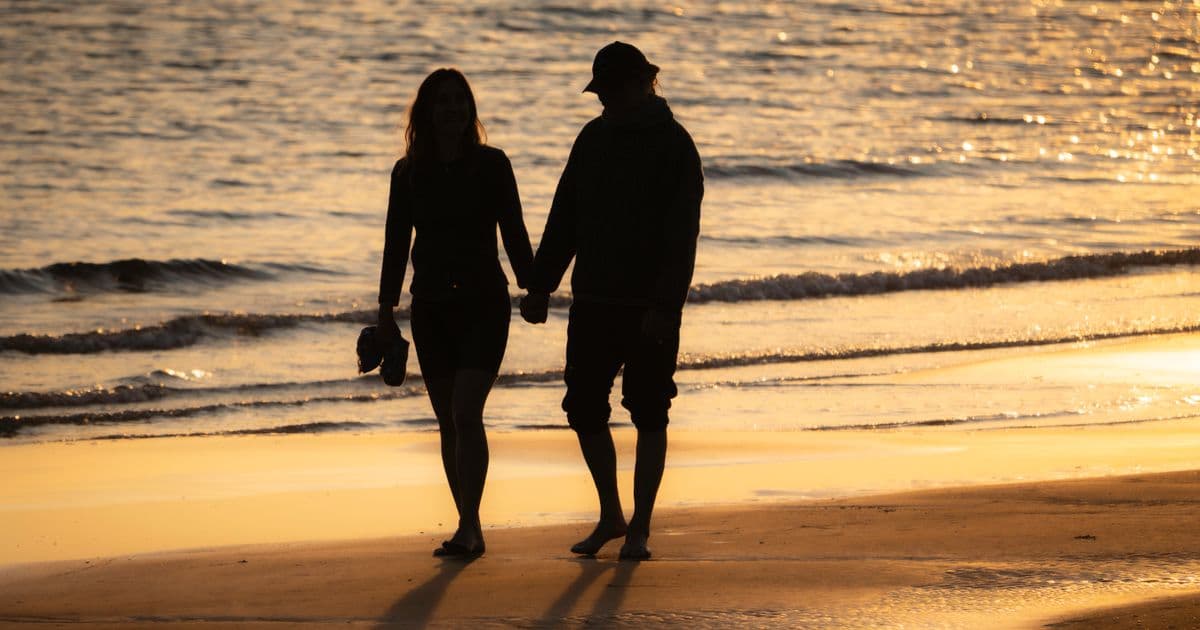
The bottom rung - no face at all - is tempting and almost always a mistake. A silhouette, a sunset at Piha, the back of your head on a tramping track: these read as either not serious or married, and serious people scroll straight past. If a profile gives nothing, it gets nothing.
The top rung - your best-known photo - is the opposite mistake. Your work headshot, the photo from your firm's website, the picture your rugby club or netball team posts every season: these are the images people have already seen with your name attached. Using them hands a stranger the exact search result that identifies you.
The smart middle is a photo that is clearly, warmly you, but that exists nowhere else. Taken for the profile, in good natural light, dressed the way you would be for a relaxed dinner out. It reads as honest to a stranger and is not instantly matchable to your public life by a casual browser.
The private gallery, done properly
Sugarfar lets you keep photos private and unlock them for individual members. This is the mechanism that resolves the whole tension, so use it deliberately: a friendly, real main photo in public, and the fuller set - the close-ups, the beach photos, the shots that show your life in more detail - held back and granted person by person, once a conversation has shown someone is worth it. Granting access becomes a small moment of trust in itself, and you can see exactly who has been given what.
One firm rule for everyone: never reuse photos from your Instagram, Facebook or LinkedIn. Even with a private social account, an image that exists elsewhere can be matched elsewhere. Fresh photos only. They do not need to be professional - they need to be current, warm, and unique to the platform.
Decision Two: How Precisely You Pin Yourself on the Map
The second decision is location, and the trade-off is straightforward: precision helps matching and hurts privacy, and how much it hurts depends entirely on where you live.
Auckland can absorb you. Saying you are Auckland-based narrows you down to a city that stretches from Pukekohe to Ōrewa, which is no meaningful exposure at all. Wellington is smaller and its professional circles smaller still - the city itself is fine to name, but naming your suburb starts to mean something. In Christchurch, suburb plus industry is often enough for a local to have a decent guess. And in the regions - Tauranga, Napier, Nelson, New Plymouth, Invercargill - the town name alone does real work, because the pool of plausible candidates is short.
The practical guidance:
- In the main centres, name the city and stop there. City is enough for genuine matching, and our local guides for Auckland, Wellington, Christchurch and Queenstown cover what each scene is like once you are matched.
- In smaller centres, consider anchoring yourself to the nearest main centre and saying you travel. "Based in the lower North Island, in Wellington often" is honest, matchable, and unplaceable. Plenty of Kiwi arrangements already run on a travel rhythm - people fly between centres constantly, and profiles that acknowledge that read as realistic rather than evasive.
- Never name your street, your building, or your local. That information belongs to someone you have met, not someone who might message you.
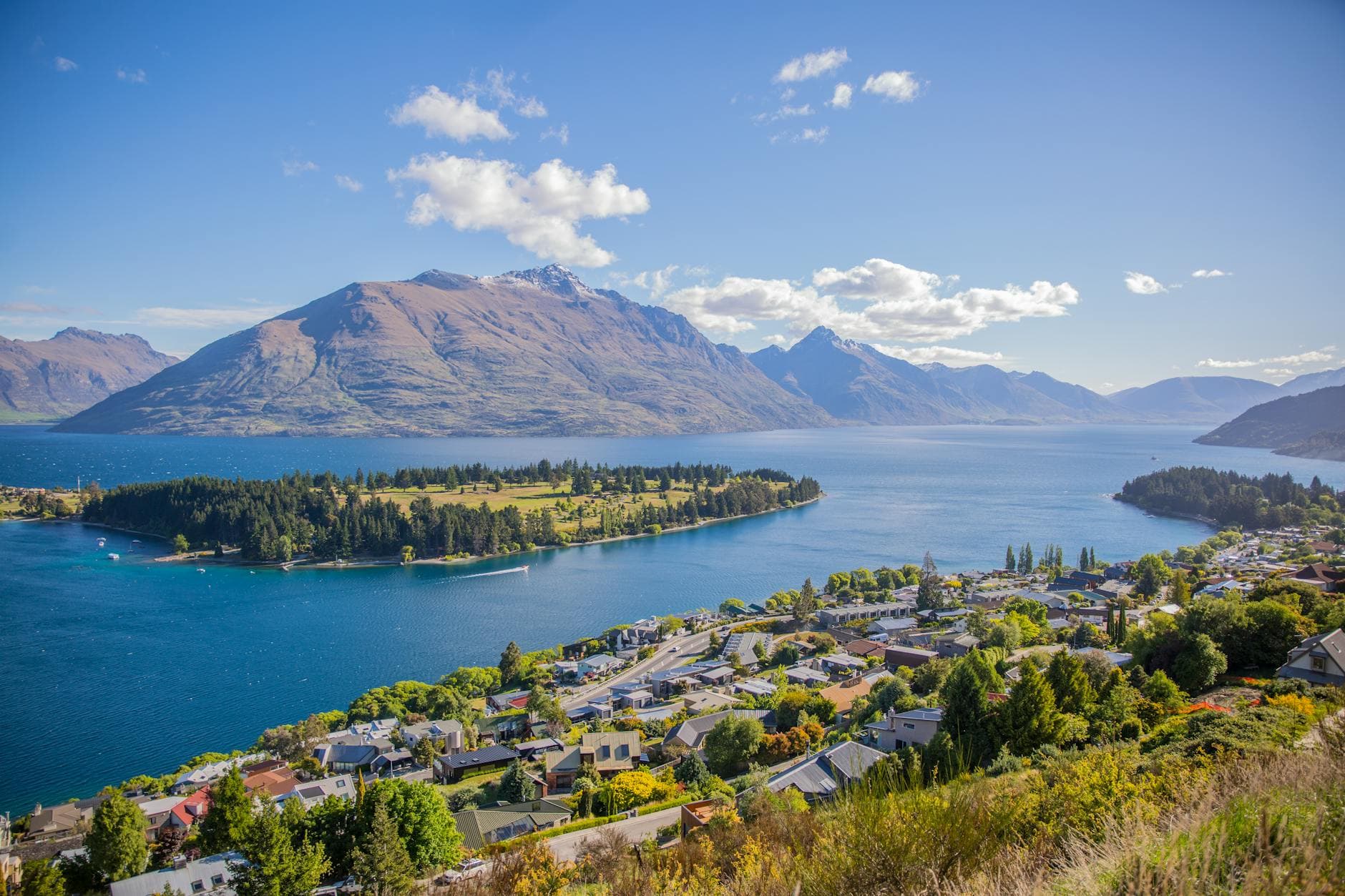
Queenstown deserves its own note: it is simultaneously the most international and the most village-like place in the country. Visitors will never place you; locals always will. If you live there, write your profile for the locals.
Decision Three: What You Say About What You Do
Work is where Kiwi profiles leak the most, because New Zealand's industries are villages. Law, medicine, farming, wine, film, the public service, property - each one is a room where most people have at least heard of most other people. A job title plus a city is often a name, and everyone in the industry knows it.
The skill is describing the shape of your work rather than its address:
- Weak for privacy: "Partner at a mid-sized Wellington law firm." Anyone in Wellington law has now shortlisted you over their morning coffee.
- Strong: "I spend my weeks getting other people out of trouble and my weekends making up for it." True, interesting, and unplaceable.
- Weak: "Third-year midwifery student at a Christchurch campus, working weekends at a café in Merivale." That is a findable person.
- Strong: "Studying something that involves far too many night shifts, funding it one flat white at a time." Same warmth, none of the coordinates.
Notice what this is not: it is not lying. Vague-but-true always beats specific-but-false, because everything on your profile eventually has to survive a first meeting. If you claimed to be a pilot and turn out to own a plumbing business, the arrangement is over before the mains arrive - not because plumbing is a problem, but because the lie is. Established Sugar Daddies and Sugar Mamas should resist the urge to prove their success with specifics; in a country allergic to tall poppies, understatement is both safer and more attractive. Let "comfortable, established, generous with my time" do the work your company name must not.
Decision Four: What the Background of Every Photo Gives Away
You have chosen your face and your words carefully. Now audit the edges of the frame, because backgrounds talk.
Before any photo goes up, look past yourself and ask what else is in shot:
- Uniforms, lanyards and branded gear. A polo shirt with a logo, a hi-vis with a company name, a conference lanyard on the kitchen bench behind you.
- Recognisable interiors. Your office, your team's shared space, the distinctive fit-out of the café where everyone knows you.
- Views that work like addresses. A window that frames one specific angle of the harbour, one particular maunga, one identifiable street. Half of New Zealand can date a photo by its skyline.
- Cars and plates. In a small town, the ute is the name tag. Crop it or skip it.
- Other people. Never upload a photo with someone else in it, even blurred, even cropped at the shoulder. It is their privacy too, and Kiwi social circles overlap enough that a stranger recognising your mate is a live possibility.
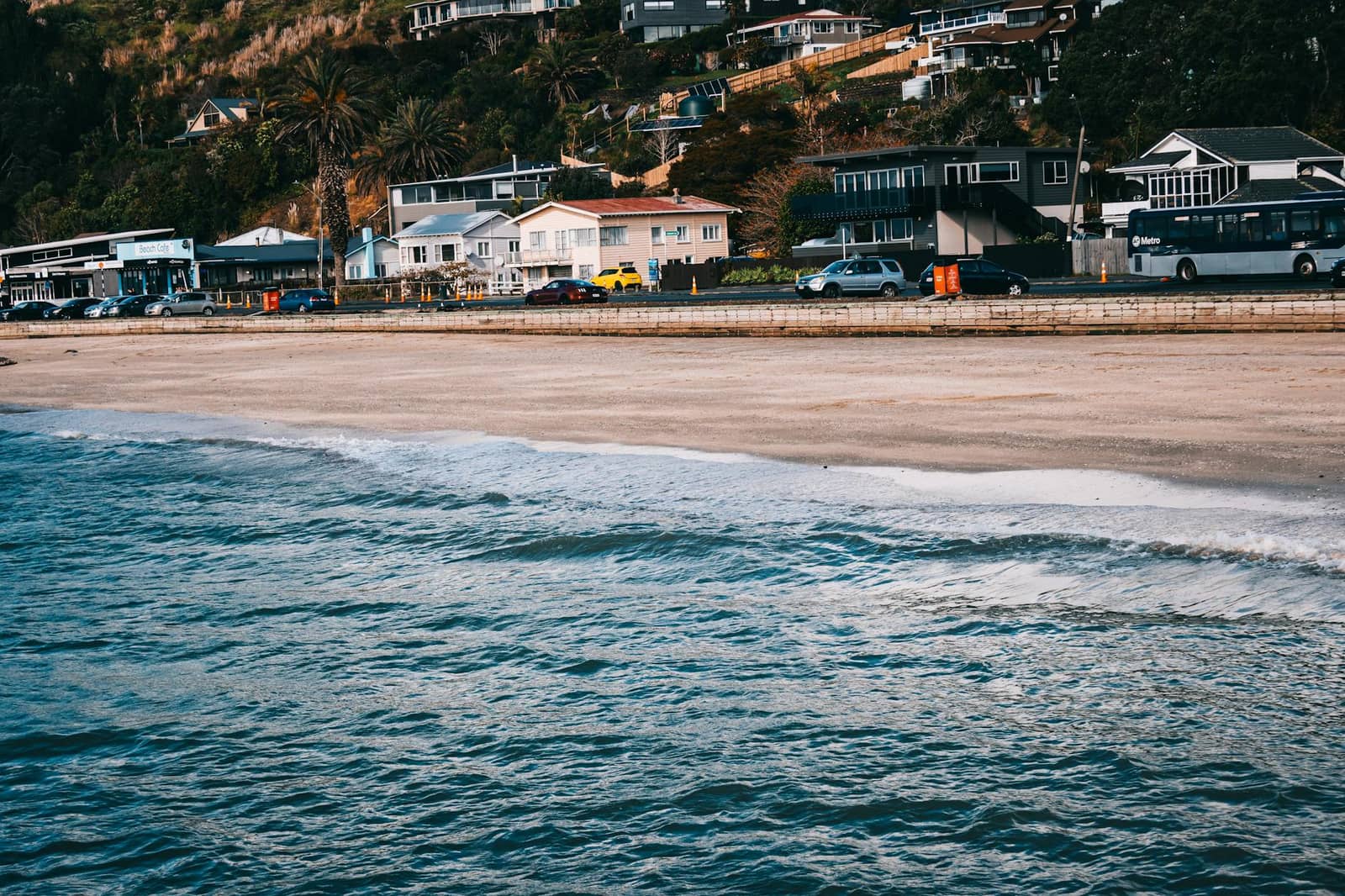
The good news is that this filter still leaves you the best material. Coastline, bush, water, mountains, golden-hour light on a beach that could be one of a hundred beaches - New Zealand is the easiest country on earth to look fantastic in without giving away a single coordinate. A photo of you laughing on generic sand says everything useful about you and nothing useful about where to find you.
Sugarfar also runs automatic photo screening on uploads, which keeps the platform's galleries clean and genuine - but screening checks what a photo shows, not what it reveals about you. The background audit is yours to do.
Decision Five: How Personal Your Bio Gets
Here is the distinction that unlocks bio-writing in a small country: personality is safe to share; biography is what identifies you. Most people get this exactly backwards. They write bios full of biography - industry, campus, suburb, timeline - delivered in a beige, personality-free voice. The result is a profile that is simultaneously identifying and boring, the worst square of the grid.
Flip it. Strip the coordinates, and spend the space on voice:
- Beige and leaky: "Auckland professional in commercial property, North Shore based, into eating out and travel."
- Warm and sealed: "I have strong opinions about where the city's best lamb shoulder is and I am prepared to defend them over dinner. Happiest with sand underfoot or a long lunch that turns into an early evening. Looking for someone who can laugh at me, ideally while I am mid-sentence."
The second tells a reader far more about what an evening with you feels like - which is the only question a profile actually has to answer - while telling a snoop nothing.
Being upfront about what you are seeking belongs in the bio too, and Kiwis respect plain speaking: ongoing companionship, dinners and travel, mentorship, something regular or something seasonal. How generosity works in local arrangements - and why it is never a tariff - is covered in our allowance guide for New Zealand, and the wider legal picture in our guide to sugar dating and New Zealand law. One line is worth keeping in mind while you write, because it is the platform's hard boundary: Sugarfar is not an escort service and prohibits offering any service in return for money or other compensation. Write your bio about connection, time and lifestyle - never as an offer or a price list - and you will be on the right side of both the rules and the culture.
Finally, proofread. In a market this understated, sloppy writing stands out more than flash ever could.

Decision Six: Verification - Private Proof, Public Trust
This decision feels like a privacy question and is actually the opposite. Some people hesitate at ID and face verification precisely because they are being careful: why hand over more of yourself when the whole point is holding back?
Because verification is the one disclosure that flows in a different direction. Your ID goes to the platform, not to other members. What members see is only the outcome - a verified profile. You prove you are real once, privately, and then carry public trust without any public exposure at all.
In a small market this matters more, not less. Kiwi daters are rightly wary, and an unverified profile with careful photos and a discreet bio can look - through no fault of its own - exactly like a fake profile with something to hide. Verification is what lets your discretion read as discretion rather than as deception. It is the difference between "private" and "suspicious", and it is the single best answer to the small-country problem this whole article is about: you can be cautious with strangers precisely because the platform has already checked you are who you say you are.
It also works in the other direction - verified profiles filter out the fakes and time-wasters before you spend an evening on them. What those look like and how they operate is a topic of its own, covered properly in our guide to sugar dating scams and red flags in NZ.
Decision Seven: When Someone Gets the Full Picture - and What to Do About a Familiar Face
The final decision is not about the profile itself but about the release schedule of everything the profile withheld. Discretion does not end at publishing; it ends person by person, on your timing.
A rhythm that works:
- Keep chat on the platform until real trust exists. Your phone number, email and social handles are exactly the kind of details that connect your profile to your name, and once shared they cannot be unshared. There is no conversation stage that requires moving off-platform, and pressure to move quickly is itself information.
- Unlock private photos individually, as conversations deepen. Access granted to one person is not access granted to everyone, and you always know who has seen what.
- Save the surname, the workplace and the suburb for someone you have actually met. By then you are exchanging them across a table as two people who like each other, not transmitting them to a stranger.
And then there is the peculiarly Kiwi moment this article promised to deal with: the evening you scroll past a face you know. A colleague, a client, someone from your gym, a mate of a mate. Take a breath before you do anything, because the situation is perfectly symmetrical - they are on the platform too, they can see you too, and neither of you got there by accident. The long-standing local convention is mutual, unspoken courtesy: nobody screenshots, nobody gossips, nobody mentions it at the barbecue. It is the same code of discretion that runs through the whole scene, and our etiquette guide for New Zealand treats it as exactly what it is - the foundation everything else is built on. If seeing them there still sits badly, block them: you vanish from each other's view and no explanation is owed in either direction. Report is for genuine misbehaviour - threats, harassment, any hint of using recognition as leverage - and the platform takes it from there.
When a conversation does turn into a meeting, that is a different discipline with its own rules - public venue, own transport, a friend who knows where you are - and our safety tips for New Zealand and the Sugarfar safety page cover it properly. Profile discretion gets you to that point with your privacy intact; meeting safety takes over from there.
Genuine Beats Glossy: The Whole Argument in One Place
Run the decisions back to back and a pattern emerges. Show a real face, but one that exists only here. Name a city, not a street. Describe the shape of your work, not its address. Audit the edges of every photo. Spend your bio on personality, not biography. Verify privately so your discretion reads as trustworthy. Release the rest person by person, and extend the same quiet courtesy you hope to receive.
None of that is paranoia. It is the same social intelligence Kiwis apply everywhere else, pointed at a dating profile - and it leaves you with a profile that is warmer and more genuine than the glossy, anonymous alternative, because every real detail on it is one you chose to share. In a country where someone who knows someone will eventually scroll past, the person with a deliberate profile is the relaxed one in the room.
If you are on the Sugar Baby side and starting from scratch, our beginner's guide for Sugar Babies in NZ walks through the first steps, and how to find a Sugar Daddy in NZ covers the search itself once your profile is live.
Ready to put it into practice? Create your free profile on Sugarfar - verified, discreet, and built for exactly the kind of country where everyone knows someone.
Frequently asked questions
Should I show my face on my sugar dating profile in New Zealand?
Yes, but on your terms. A clear, warm main photo earns far more genuine interest than a silhouette or a sunset, and hiding entirely makes people wonder what else you are hiding. The smart Kiwi approach is a public photo that reads as you without being one of your recognisable photos - not your work headshot, not the picture your sports club uses - with the fuller set kept in private photos you unlock for individual members.
How do I stay discreet when New Zealand is this small?
Treat every element of your profile as a decision about precision. Name your city rather than your suburb, describe the shape of your work rather than your job title, and check what the background of each photo gives away before you upload it. Discretion in New Zealand is not about disguise - it is about being warm and specific without being placeable.
What happens if someone I know sees my profile?
Remember that they are inside the same platform, which means browsing carries exactly the same visibility for them as it does for you. Most Kiwis quietly extend one another the courtesy of saying nothing, because discretion cuts both ways. If a familiar face makes you uncomfortable, block them so you disappear from each other's view, and report anyone who actually behaves badly.

The Sugarfar editorial team
Every guide on this blog is written and maintained by Sugarfar's own editorial team. We work on the platform every day and update the articles whenever features or rules change.
Ready to try sugar dating?
Create a free profile on Sugarfar and meet like-minded people. It takes less than 2 minutes.
Create free profile