Sugar Daddy Tauranga and the Bay of Plenty: A Quiet Boom

The short version: Tauranga and the wider Bay of Plenty have quietly become one of New Zealand's strongest sugar dating markets, built on kiwifruit, port and property wealth alongside Aucklanders who cashed up and moved north. First dates work best somewhere public and easy to leave, like the Strand in Tauranga or Maunganui Road at the Mount, and generosity here leans toward shared experiences - boats, travel and introductions - rather than cash or display.
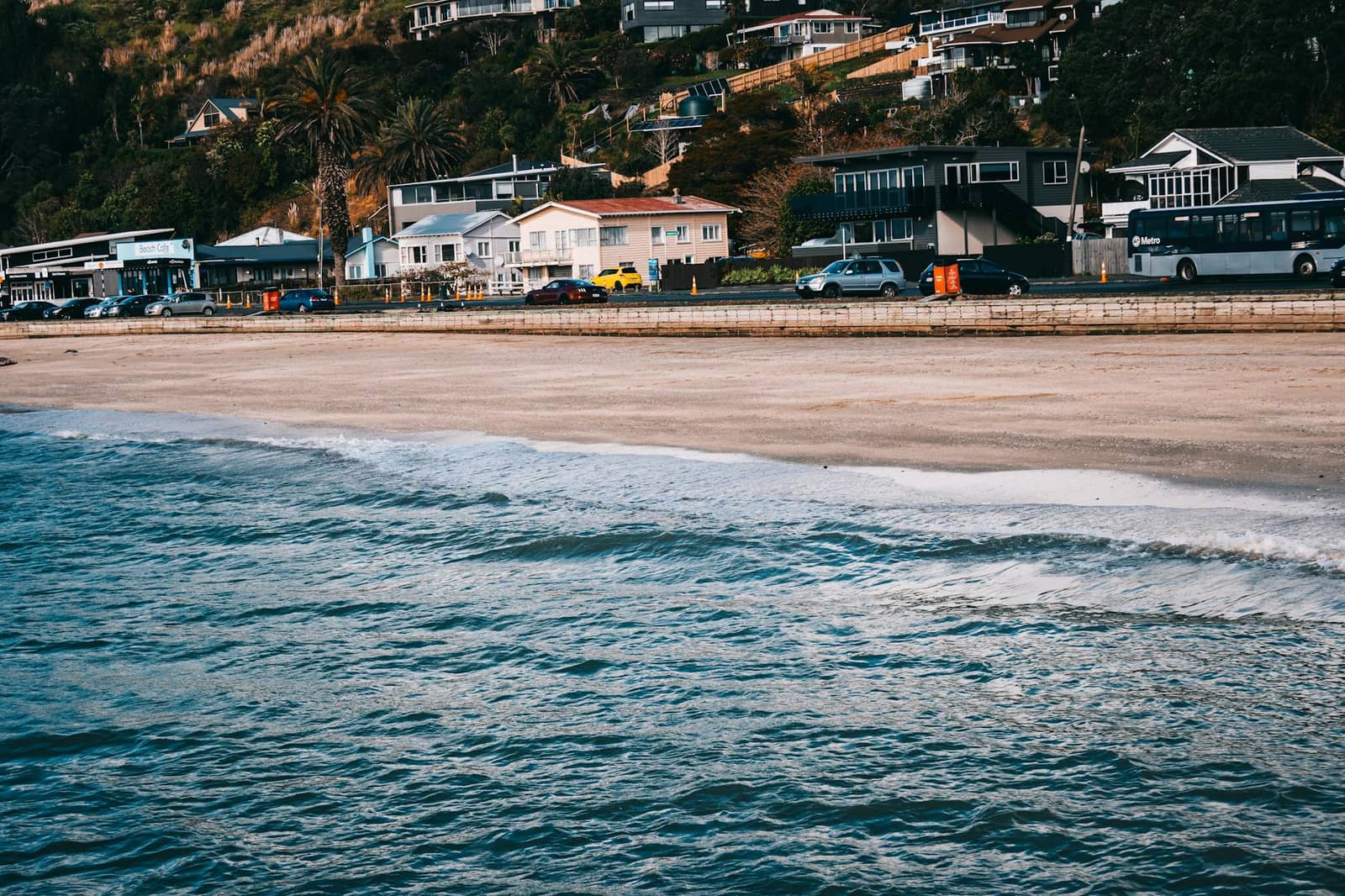
It Still Looks Like a Beach Town on a Saturday Morning
New Zealand's dating conversation covers four places: Auckland for scale, Wellington for the public service, Christchurch for the rebuild, and Queenstown for the money. That map made sense fifteen years ago. It does not describe the country now.
The Bay of Plenty reached a population of 351,500 in 2025 and is projected to pass half a million by 2053. Tauranga's own population has doubled in thirty years. The region grows around 80 per cent of the country's kiwifruit, and horticulture exports out of the Bay reached $2.65 billion in 2025. The Port of Tauranga is New Zealand's largest port by volume and handles 48 per cent of the country's containerised exports. Registered businesses in the region have risen more than 60 per cent since 2000 to reach 43,146. Tauranga and the Western Bay have sat in the national top three for economic growth.
Now stand on Maunganui Road at nine on a Saturday. Bare feet, wet towels, a coffee queue, utes towing boats to the ramp. Nothing in that scene suggests the ships loading behind the Mount move more volume than any other port in the country. For sugar dating in Tauranga, the gap between what the region looks like and what it earns is the whole opportunity: the money here does not announce itself, and neither do the people holding it. For the national picture first, start with our New Zealand guide to sugar dating.
Kiwifruit, Containers and Sold Auckland Houses
Knowing the local economy is knowing who you are talking to, and the Bay's is unlike anywhere else in the country.
- Horticulture. Kiwifruit is not a cottage industry here, it is a globally significant one, and Zespri, which markets New Zealand kiwifruit worldwide, is headquartered in Mount Maunganui rather than Auckland. Orchard ownership, post-harvest, packhouses and the finance around them have made a large group of people very well off, and they wear shorts to meetings.
- The port and logistics. Tauranga's port is the country's biggest by volume, and the shipping, freight, customs and marine services around it are substantial and international.
- Property and construction. Thirty years of doubling population has to be built by someone, and local developers here are extremely well capitalised and extremely well connected.
- Sold Auckland houses. The demographic nobody names but everyone knows. Selling in Auckland and buying in Pāpāmoa or Ōmokoroa has been a standard wealth transfer for two decades, and it has deposited a great deal of liquid money in the Bay.
- Professional services. Legal, accounting, engineering and consultancy followed the growth, and partner level in Tauranga carries real local weight.
- Marine and manufacturing. The marine precinct, boat building and refit, plus food processing and agri-tech across the wider region.
A practical note on reading profiles: the Bay is genuinely allergic to display. An orchardist with three blocks, a post-harvest shareholder or a developer will very often turn up in a shirt and jandals and drive a ute. Do not screen someone out for lacking polish. Polish is faintly suspect here, and you read wealth through the boat, the travel and the calendar rather than the watch.
The Age Range Is Wider Here Because of Who Moved In
Every market has a shape, and the Bay's is the widest in the country. Nobody designed it. Three separate migrations landed on the same stretch of coast and none of them left.
The first was retirement, and the picture most people carry of it is decades out of date. Selling up in Auckland and buying here does not produce a pensioner on a fixed income, it produces a mortgage-free house at Pāpāmoa or Ōmokoroa, capital that was never spent, and someone who has run out of reasons to be busy. The second is the working economy: orchard owners, post-harvest shareholders, port and freight people, developers and firm partners, mostly in their forties and fifties and still going hard. The third is young and arrives continuously, pulled in by construction sites, packhouses and a hospitality strip that has to staff a summer far bigger than its own population.
These three groups are not sealed off from each other the way they would be in a bigger city. They walk the same base track, drink on the same few streets at the Mount, swim off the same beach. A wide age gap draws less comment on this coast than a modest one does somewhere everyone stays inside their own suburb and their own bracket. That, more than the export figures, is why sugar dating in the Bay of Plenty works better than the size of the region suggests.
The Bay Is a String of Towns, Not One City
Almost every mistake made here starts with treating Tauranga as a single place. It is a chain of communities laid along a harbour and a coastline, and which link someone names tells you most of what you need before you reply.
Tauranga city and the CBD sit on the harbour, with the Strand as the waterfront dining and drinking strip. The centre has been rebuilding itself for years and now has a real evening scene.
Mount Maunganui is technically part of Tauranga and functionally its own place. Maunganui Road is the main strip, Main Beach is the surf beach, and Mauao, the volcanic cone at the end of the peninsula, dominates everything. Mauao is a site of real significance to the iwi of Tauranga Moana, and the base track around it is the most-used public space in the region.
Pāpāmoa stretches for kilometres east along the coast and is where much of the region's new money lives. Large houses, quiet streets, the beach at the end of every road.
Ōtūmoetai, Bethlehem and Matua are the established western suburbs on the harbour side, older and greener. Ōmokoroa and Katikati run northwest toward the Kaimai ranges, semi-rural and increasingly expensive. Te Puke is the kiwifruit capital and the working heart of the horticulture economy.
Whakatāne and Ōhope are an hour east, with one of the best beaches in the country and a genuinely separate social world.
Rotorua is an hour inland: geothermal, forest, mountain biking and a completely different feel.
Auckland belongs on the list too, about two and a half hours up the road or a short flight, because a meaningful share of the men here keep a business up there and a house down here. If meeting in Auckland is on the table, establish that early; our Auckland guide covers what that market expects.
Distance is a live issue. Ōmokoroa to Pāpāmoa is a real drive, and Te Puke to the Mount is a commitment on a summer Friday. Anyone who says "the Bay" and will not narrow it has either not thought about the logistics or is being vague on purpose.
Summer Fills the Coast and Winter Hands It Back
Two forces run the social calendar here, and both reward planning.
The first is pace. The Bay is slow by preference, and people who move down from Auckland find that maddening for six months and then never want to leave. Pushing for a meeting two messages in reads as city behaviour, and city behaviour gets you written off here fast.
The second is Boxing Day. From the day after Christmas to the end of January, the North Island empties itself onto Mount Maunganui and Pāpāmoa. The same few streets carry the whole upper half of the country, every restaurant needs a booking, and Main Beach becomes a crowd. Wonderful for being out, poor for quietly getting to know someone, because the people filling those streets came from everywhere, and everywhere includes wherever you are trying not to be seen.
Winter is the local advantage, and the reason this is worth reading in August rather than December. The coast empties, the light comes in low across the harbour, the base track is effectively yours, and a table on the Strand is a decision rather than a negotiation. Our New Zealand winter dating guide covers the season nationally, and nowhere does it apply harder than in a region where January and July may as well be two different places.
The First Hour Belongs on the Strand or Maunganui Road
Hospitality turns over hard on a coast that makes so much of its money in one short season, and an operator packed out in January can be shut by the following winter, so what follows is a set of streets rather than a list of names.
- The Strand, Tauranga. The default for good reason: public, walkable, plenty of options and easy to leave.
- Maunganui Road at the Mount. More relaxed, more beachy and slightly more anonymous, since a good share of the people around you are visitors.
- A café in the CBD or at Bethlehem, mid-afternoon. Short, bright, low-stakes and easy to end cleanly.
- Rotorua or Whakatāne. An hour in either direction puts you somewhere neither of you will be recognised, and locals use this more than they admit.
The rule everywhere is short, public and easy to walk away from, and the full version is in our guide to your first sugar date in New Zealand. What is local is the geography: if either of you lives at the Mount, meet in town. If either of you works in town, meet at the Mount.
After the First Coffee: Dinner, Daylight and the Drive Inland
Dinner, if there is chemistry
Tauranga's food scene has improved out of all recognition in the last decade, with the strongest concentrations along the Strand and at the Mount and a smaller cluster at Pāpāmoa. Further afield, Ōhope and Whakatāne are worth the drive, and Rotorua's better restaurants come with a completely different crowd.
Daytime dates
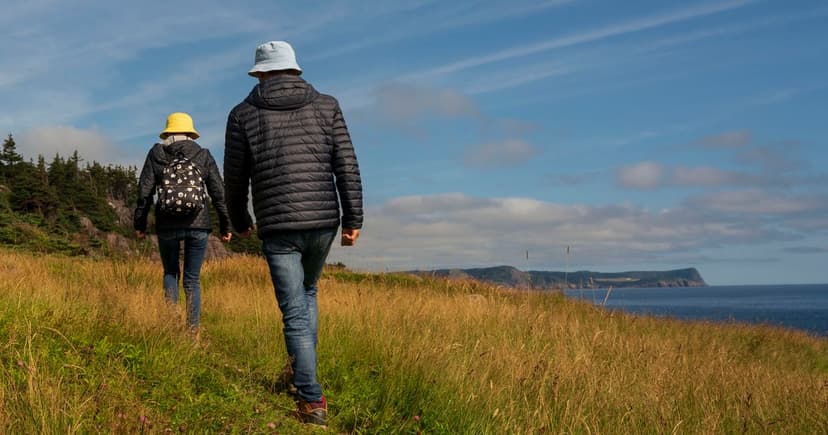
- The Mauao base track. About forty-five minutes flat around the bottom of the mount, harbour on one side and ocean on the other. Free, beautiful, and the single best first daytime date in the Bay. The summit track is harder and better, if you are both up for it.
- Mount Main Beach and the ocean end of Pāpāmoa. Kilometres of walkable sand with a natural turning point.
- The hot pools at the base of Mauao. Public, relaxed and very Bay of Plenty.
- McLaren Falls Park. Twenty minutes inland toward the Kaimai ranges, and almost empty on a weekday.
- A weekday trip to Rotorua. Geothermal parks, redwoods and a forest walk: a small adventure, short enough to end when you want it to.
Weekends away
Good options sit within easy reach: the Coromandel to the north, Ōhope and the eastern bay, Rotorua and Taupō inland. Save all of them for someone you already know well. Our New Zealand weekend getaway guide explains why a weekend is a different category of decision from a dinner: you cannot end one early.
Everyone in Horticulture Knows Everyone in Horticulture
This is where Auckland advice stops working entirely.
Tauranga is a city of well over a hundred thousand people that operates socially like a town of twenty thousand. The horticulture world is a defined group of families and businesses that have known each other for generations, the port, the developers and the professional firms all overlap, and the Mount, where much of the region's social life happens, is a handful of streets. Assume the person at the next table knows somebody's wife.
The habits that work:
- Use the geography. Town, the Mount, Pāpāmoa, Bethlehem and Ōmokoroa are separate social worlds twenty minutes apart, and Rotorua and Whakatāne are separate worlds within an hour.
- Do not become a regular. Three visits to the same Maunganui Road spot in a month is a pattern, and patterns get noticed here fast.
- Weeknights over weekends. Friday and Saturday, particularly in summer, is when you will run into someone, and nothing sensitive belongs in the Boxing Day to January window at all.
- Nothing online. No photos, no tagging, no employers. This runs both ways and is standard rather than suspicious.
And here is the limit that never moves. Discretion in the Bay means not being tagged in a photograph outside a café on Maunganui Road. It does not extend to keeping money off anybody's books, or to being less than straight with the person at home who is entitled to a straight answer. If the conversation edges toward you receiving a payment and passing it on, or holding funds for an orchard sale or a stuck container, you are not being trusted with a secret. You are being worked, and our New Zealand safety guide sets out how these requests are usually dressed up.
Boats, Flights and Introductions Rather Than a Number
There is no Tauranga rate, no separate Mount rate, and nobody credible has ever quoted either. What generosity actually is, in a real sugar relationship, stays private between the two people in it. It grows as they do, it moves when the relationship moves, and what it measures is how much two people matter to each other rather than what anything is worth. Lead with a figure here and you attract the wrong man and lose the right one: the people worth meeting on this coast spent whole careers not discussing money in public, and a number in a first message reads to them like an invoice.
What is local is the form. The Bay leans heavily toward experience rather than display, in a region where display is genuinely frowned upon:
- The water. Boats matter here in a way they do not in most of the country. Fishing, the harbour, Mayor Island, a weekend in the Coromandel. A real invitation onto a boat means something specific.
- Travel. A great many people here travel constantly for work, particularly on the export side of horticulture, and would rather not do it alone.
- Weekends inland and along the coast. Rotorua, Taupō, the eastern bay. Short, easy and frequent.
- Introductions. The one that carries the most weight. In a business community this small and this interconnected, someone established vouching for you can change a career more than anything material.
So the conversation to have early is not about a sum. It is about shape: whether he disappears for weeks in the export season and what that leaves you with, whether a weekend means Ōhope or an airport, and what either of you pictures this being once the kiwifruit is picked. Have it in winter, while there is time for it. Our New Zealand guide to generosity and expectations covers how to have it well.
The Law Here Is Settled, the Line Still Matters
Sugar dating between consenting adults is legal in New Zealand, and the Prostitution Reform Act 2003 governs sex work, so sugar dating, as companionship between adults, sits outside it.
The distinction that matters is therefore not a legal technicality, it is about what the relationship actually is. A sugar relationship is two adults dating, where generosity forms part of a real connection. It is not a service, it is not priced, and it is never an exchange of one thing for another. Sugarfar is not an escort service and prohibits offering any service in return for money or other compensation. If what you have is a person you actually see, a conversation that carries on after the plates are cleared and honesty on both sides, you are nowhere near the line any of this is drawn around.
Our guide to whether sugar dating is legal in New Zealand has the detail. None of this is legal advice.
Getting There and Getting Home on a Coast This Spread Out
Nothing about this coast makes it a risky place to meet a stranger. The Strand on a weeknight and Maunganui Road in daylight are as public as anywhere in the country, and the base track has people on it from first light. What goes wrong is never the postcode, it is the profile: the orchard owner who cannot produce one photograph of himself outdoors, the shipping man who will not meet within an hour of the port he claims to work at.
- Somewhere public the first time, no exceptions. The Strand, Maunganui Road, a Bethlehem café at three in the afternoon. Not his place at Pāpāmoa, not out to Ōmokoroa, and not a boat, however good the forecast is
- Drive yourself, and know how you are getting back before you go. Buses here are thin and the region runs for kilometres along a coastline, so this matters more than it does in Auckland or Wellington. A lift out to Pāpāmoa is not a courtesy on a first meeting, it is a decision to be somewhere you cannot leave under your own steam
- Somebody should have the venue, the time, the name and the platform handle. If you are driving an hour to Rotorua or Whakatāne, they need that too: the Mount and Ōhope are very different distances from help
- Fix your exit before you leave the house. An agreed call at a set time still beats every cleverer plan anyone has come up with
- Keep it on the platform's chat until you are sure. Someone pushing to move to WhatsApp in the first few messages is the clearest scam signal there is
- No bank details, ever. No genuine orchardist, developer or port man needs you to buy a gift card to prove you are real, or to take a transfer in and send it on. That is a scam, every time, whoever is asking
If it feels wrong, you put your cup down and go. Nobody here is owed an explanation for that, and in a region where a man's name travels from Te Puke to the Mount before lunch, anyone who takes offence at a precaution has shown you exactly how he handles being told no.
Write a Profile That Knows Where It Is
The standard of local profiles is beatable, which is the quiet advantage of a region nobody writes about.
- Name the suburb, not the region. The Mount, Pāpāmoa, Bethlehem, Ōtūmoetai, Te Puke. On a coastline this long that is real information, and the first thing anybody here reads.
- Say how far you will travel. Whether you will drive out to Rotorua, east to Whakatāne or up to Auckland is the most useful single line in a Bay of Plenty profile, and almost nobody writes it.
- Use what is actually here. Mauao early, the harbour, the boats, the orchards, an empty beach in July. These are openers that work on this coast and nowhere else.
- Show your own life. Study, work, the thing you are building. Fortunes here were made out of dirt, containers and long hours, and the people who made them read a woman with her own timetable as the most attractive thing on the page. Arrive as an addition to someone's week, not a problem for him to solve.
- Say that you are discreet. In a business community this small, that is the strongest line in your profile rather than a caveat.
- Get the photos right. Daylight, outdoors, natural. Our New Zealand profile and matching guide has the method, and if you are starting from nothing, our beginner's guide for New Zealand is the right first read.
The Bay is the fastest-growing region in the country and one of the least written about in this context, and that combination will not last. Learn the chain of towns, use the twenty minutes between them, and treat winter as the season that belongs to locals. Then set up a free Sugarfar profile and put Pāpāmoa or Ōtūmoetai or Te Puke where everyone else puts Bay of Plenty, followed by the line nobody bothers with: how far along this coast you are prepared to drive. Strung out the way this region is, that detail does more work than anything else on the page.
Frequently asked questions
Is Tauranga actually a serious market for sugar dating?
It is, and it has quietly become one of the most interesting in the country. The Bay of Plenty reached a population of 351,500 in 2025 and is projected to pass half a million by 2053, with Tauranga's own population having doubled in thirty years. The region grows around 80 per cent of New Zealand's kiwifruit, horticulture exports hit $2.65 billion in 2025, and the Port of Tauranga handles 48 per cent of the country's containerised exports. Registered businesses in the region are up more than 60 per cent since 2000. That is a lot of money arriving in a place that still behaves like a beach town.
Where do first dates happen in Tauranga?
The Strand along the Tauranga waterfront is the obvious default: public, walkable, plenty of bars and restaurants, and easy to leave. Mount Maunganui's Maunganui Road is the other reliable strip, more relaxed and more beachy. For a daytime meeting, the Mauao base track is the best free date in the region and takes about forty-five minutes. Save Pāpāmoa house invitations, boats and anything involving an overnight stay for someone you already know well.
Is the Bay of Plenty just a retirement region?
That reputation is decades out of date, though there is truth in the demographic. Yes, the Bay has long attracted people retiring out of Auckland with equity from a sold house, and that group is genuinely well off. But the region has also become one of the country's top three for economic growth, with a young workforce arriving for the port, horticulture, construction and a growing professional services sector. The result is an unusually wide age spread, which is precisely what makes the market here work.
How does generosity work in a Bay of Plenty sugar relationship?
There is no number and no going rate, and anyone leading with one has told you what you need to know about them. Generosity in a genuine sugar relationship is personal and private: it grows between two specific people and reflects a connection rather than a price. In the Bay it skews heavily toward experience rather than display, because this is not a showy part of the country. Think travel, the water, weekends further afield, and the introductions that matter enormously in a business community where everyone knows everyone.
Is sugar dating legal in New Zealand?
Yes. Sugar dating between consenting adults is legal in New Zealand, and the Prostitution Reform Act 2003 governs sex work, so sugar dating, as companionship between adults, sits outside it. That said, the distinction that matters is not a legal technicality: a sugar relationship is two adults dating, where generosity forms part of a real connection, and it is never a service, a rate or an exchange of one thing for another. Sugarfar is not an escort service and prohibits offering any service in return for money or other compensation. This is general information, not legal advice.

The Sugarfar editorial team
Every guide on this blog is written and maintained by Sugarfar's own editorial team. We work on the platform every day and update the articles whenever features or rules change.
Ready to try sugar dating?
Create a free profile on Sugarfar and meet like-minded people. It takes less than 2 minutes.
Create free profile